All prices and promo codes are only valid at the time of deal publish & can change anytime. Every product listed has affiliate links, we may earn commission at no additional cost to you.
ENJOY SHOPPING WITHOUT HASSLE!!!!

All About Coffee Beans
Find the right beans for your daily cup. A Complete Guide for Coffee Lovers.
1/7/2026
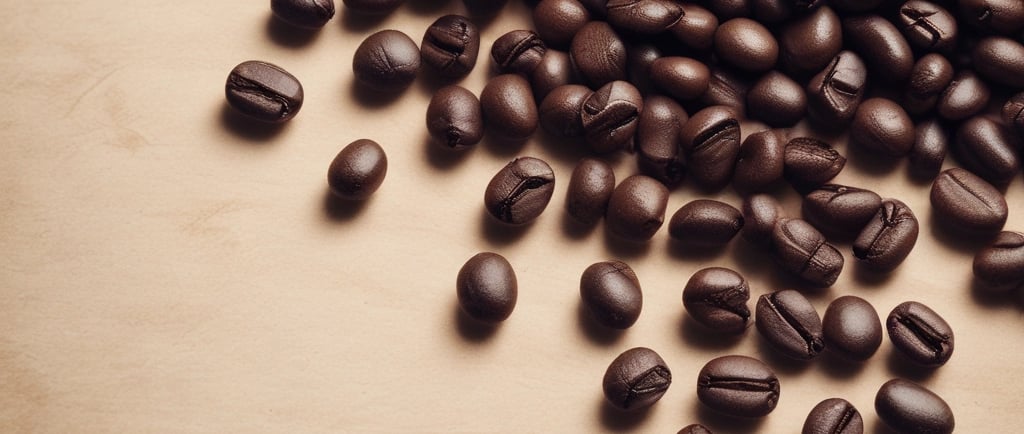
Coffee begins with the bean. The type, origin, roast, and preparation of coffee beans all play a huge role in the flavor, aroma, and quality of your cup. Understanding coffee beans helps you choose the right beans for your taste, brewing method, and lifestyle.
1. What Are Coffee Beans?
Coffee beans are the seeds of the coffee cherry, a small fruit that grows on coffee plants. After harvesting, the beans are processed, dried, and roasted before being brewed into coffee.
2. Types of Coffee Beans
There are four main types of coffee beans, but two dominate the global coffee market:
Arabica (Coffea Arabica)
Most popular and widely consumed.
Known for sweet, soft taste, and complex flavors.
Lower caffeine content, smoother and less bitter.
Grows best in higher altitudes with cooler climates.
Robusta (Coffea Canephora)
Stronger, more bitter, and higher in caffeine.
Often used in espresso blends for crema and boldness.
Grows in lower altitudes and hotter climates.
Cheaper than Arabica and more disease-resistant.
Other Types: Liberica and Excelsa (less common, used in specialty blends).
3. How Coffee Beans Are Processed
Coffee beans are processed in several ways after harvesting:
a. Dry (Natural) Process
Beans are dried inside the whole cherry.
Produces fruity, sweet flavors.
b. Wet (Washed) Process
Beans are removed from the cherry before drying.
Produces cleaner, brighter, and more acidic flavors.
c. Honey Process
Partial removal of cherry pulp.
Balanced flavor, between natural and washed processes.
4. Roasting Levels of Coffee Beans
Roasting transforms green beans into the coffee we brew. Different roast levels change flavor, aroma, and body:
Light Roast: Mild, acidic, retains original bean flavor.
Medium Roast: Balanced, smooth, slightly sweet.
Medium-Dark Roast: Richer body, some bittersweet notes.
Dark Roast: Bold, smoky, and strong flavors, often less acidic.
5. Grinding Coffee Beans
Grinding affects extraction and taste. Different brewing methods require specific grind sizes:
Coarse: French press, cold brew.
Medium: Drip coffee makers, pour-over.
Fine: Espresso machines.
Extra Fine: Turkish coffee.
6. Storing Coffee Beans
Freshness is key. Beans should be stored:
In an airtight container
In a cool, dark place
Away from moisture and sunlight
Avoid grinding too early — grind just before brewing to maintain flavor.
7. How Coffee Bean Origin Affects Flavor
The region where coffee is grown affects taste:
Latin America (Colombia, Brazil): Nutty, chocolatey, smooth.
Africa (Ethiopia, Kenya): Fruity, floral, bright acidity.
Asia (Indonesia, Sumatra): Earthy, full-bodied, low acidity.
8. Tips for Choosing the Best Coffee Beans
Know your brewing method: Match grind size to your machine.
Check roast date: Fresher beans produce better flavor.
Experiment with origin and blend: Different beans offer unique tastes.
Buy whole beans when possible: Grind just before brewing.
BeanBliss Coffee Market
Managed By JIRE Ventures
"Shop Premium Coffee Products and Brewing Essentials at Affordable Prices"
need help
jireventures@beanblisscoffeemarket.io
+1 (305) 814-8342
© 2026. All rights reserved.
Don’t miss out! Get access to top deals, discounts, and recommendation straight to your inbox!